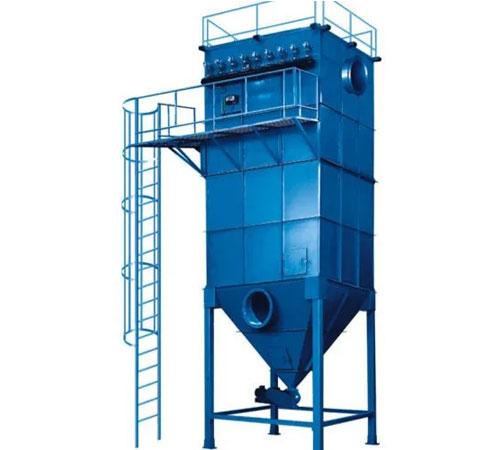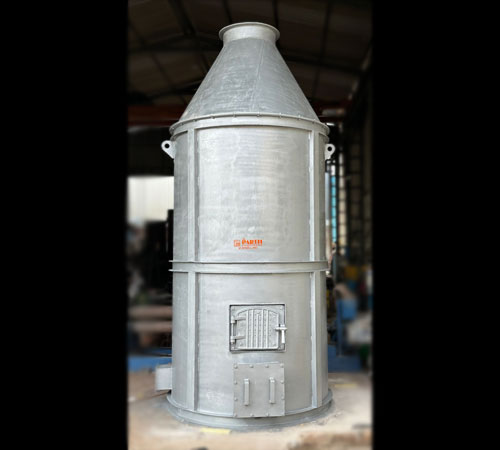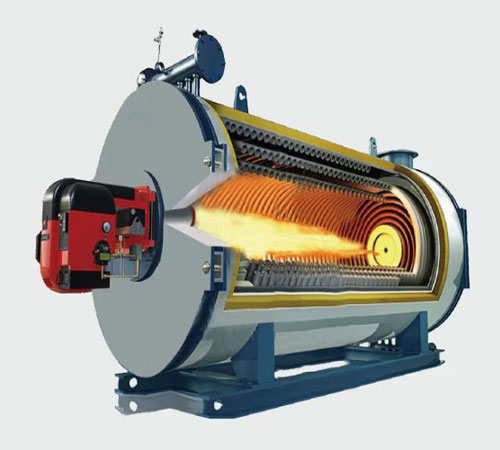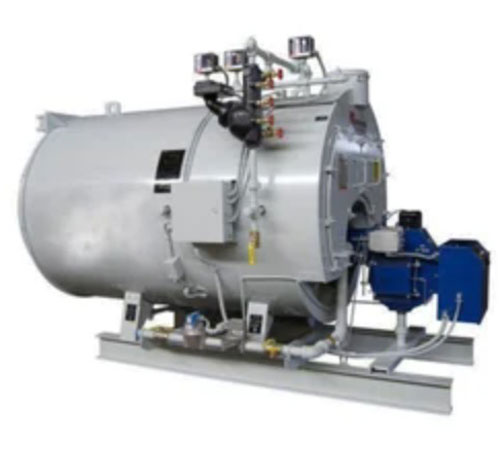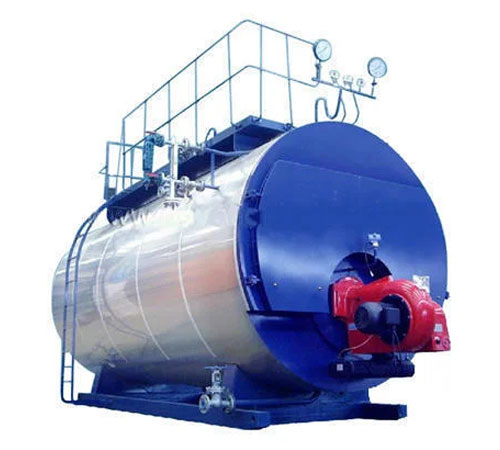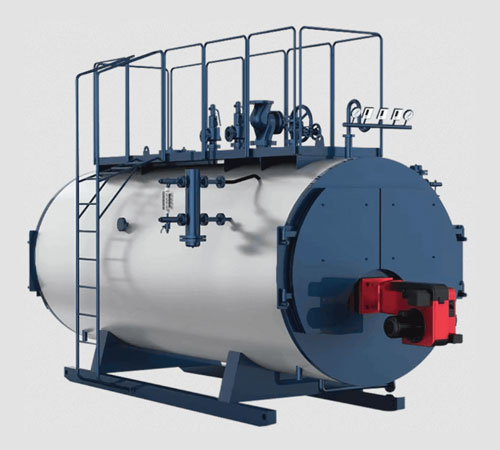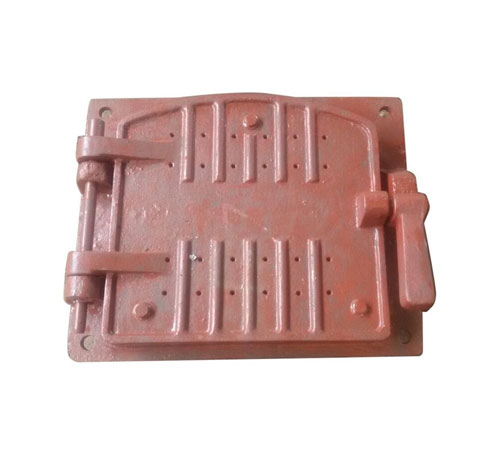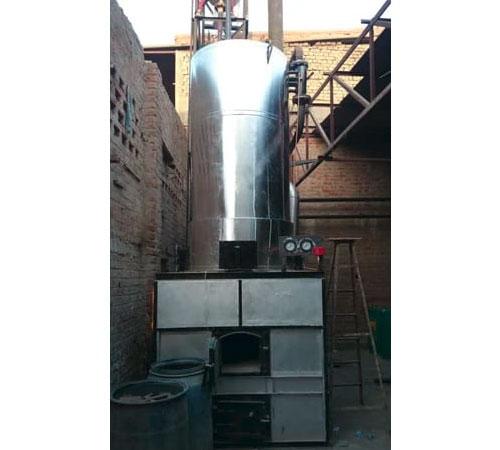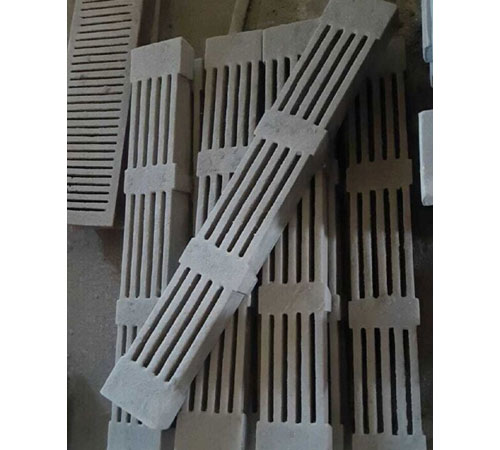
A Steam Boiler is a pressure vessel that heats water to generate steam for use in various industrial applications, such as heating, power generation, and manufacturing processes. The steam produced can be used to drive turbines, heat buildings, or power different machinery. Boilers are typically fueled by natural gas, coal, oil, or electricity and are designed to operate safely at high pressures and temperatures.
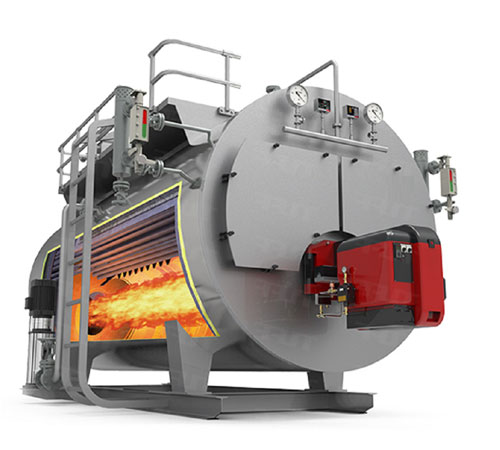
Key Components of a Steam Boiler: Boiler Shell: The outer casing that contains the internal components of the boiler, including the furnace and the water chamber.
Furnace: The chamber where fuel is burned to produce heat. The combustion of the fuel generates hot gases that heat the water.
Water Chamber: The part of the boiler that holds water. The heat from the furnace raises the water temperature to produce steam.
Steam Drum: The upper part of the boiler where steam accumulates. It is connected to the water chamber and serves as the separation point for steam and water.
Heat Exchanger: A surface that transfers heat from the combustion gases to the water. It maximizes the heat exchange process to ensure the efficient production of steam.
Burner: The device used to introduce fuel and air into the furnace, where combustion occurs to generate heat.
Boiler Tubes: Tubes that run through the furnace and water chamber, carrying hot gases or water to help generate steam. These tubes increase the surface area for heat transfer.
Feedwater System: The system that supplies water to the boiler, including a pump that delivers water at the required pressure.
Steam Separator: A device that ensures the steam is free of water droplets before being delivered to the system.
Control Panel: A system used to monitor the temperature, pressure, and water levels, ensuring the safe operation of the boiler.
Working Principle: Fuel Combustion: The burner ignites fuel (gas, oil, or coal) in the furnace, generating heat.
Heat Transfer: The hot gases from the combustion process flow through the heat exchanger, transferring their thermal energy to the water in the boiler tubes.
Steam Generation: As the water in the boiler absorbs heat, it reaches its boiling point and transforms into steam.
Steam Separation: The steam rises to the steam drum, where it is separated from any remaining water. Dry steam is then directed to the system for use.
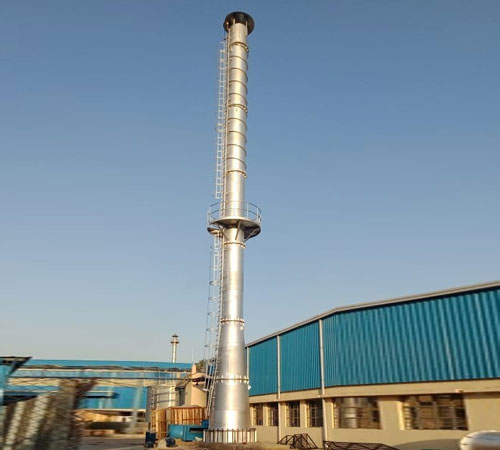
Exhaust Gases: After heat transfer, the combustion gases are exhausted through a flue or stack.
Types of Steam Boilers: Fire-Tube Boiler: In this type, hot gases pass through tubes that are surrounded by water. The heat from the gases transfers to the water, converting it into steam. These are typically used for lower pressure applications.